Models Playground
What is transformation? Since everything changes—including ourselves—it seems almost too large to define. But from an engineer’s perspective, the problem can be broken down. I see transformation as rearrangement: moving many small bits from one configuration to another. When natural organisms grow, they rearrange their cells and molecules. We use mechanics to achieve a similar effect.
Transformation represents a way of designing that goes beyond conventional design elements—shape, color, space—to shape behavior itself. Objects can expand, retract, fold, deploy, and change shape. Transformable design offers a strategy for adapting to a rapidly changing world.
-
![]()
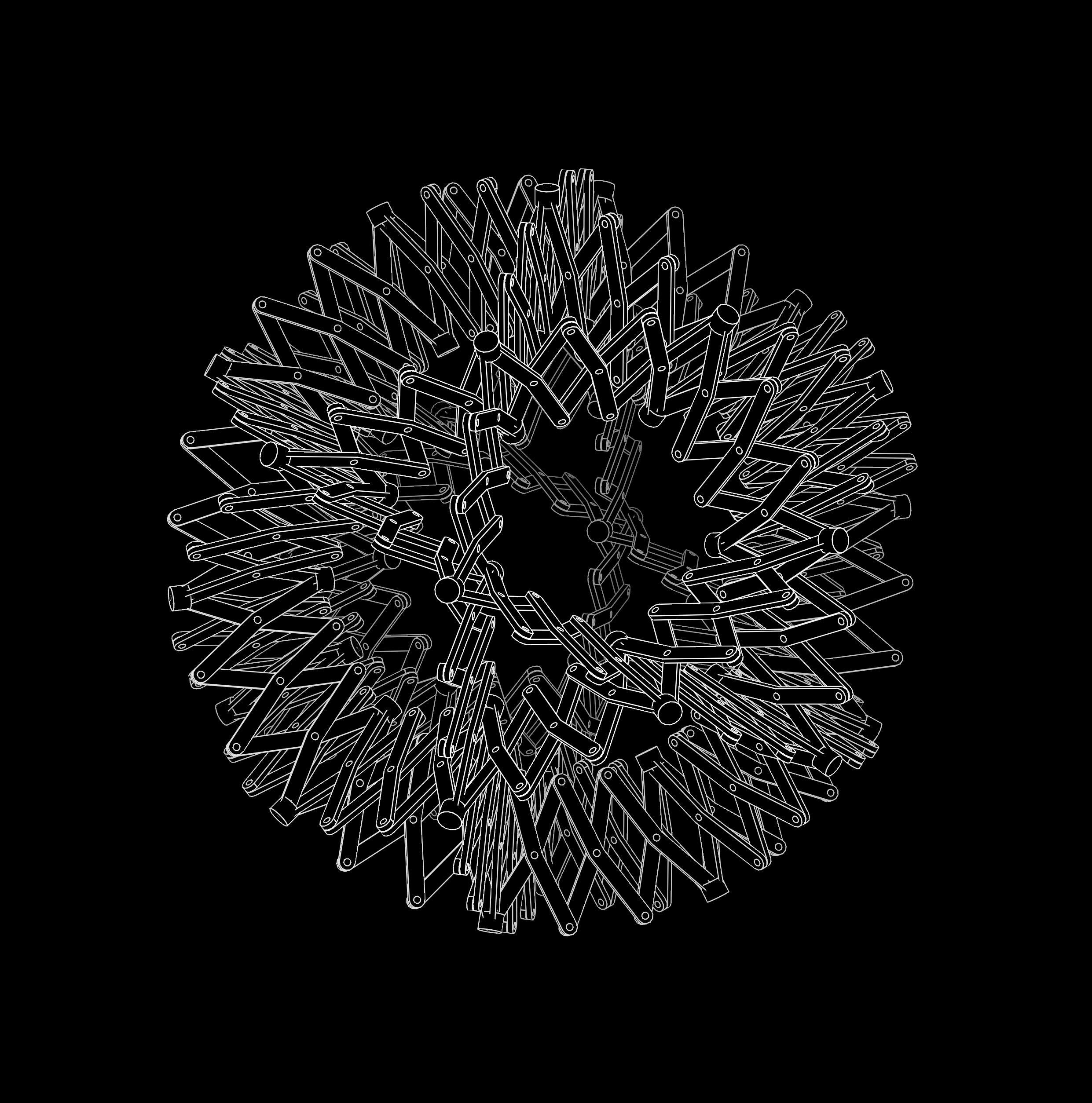
The Hoberman Toy
(1995)
-
![]()
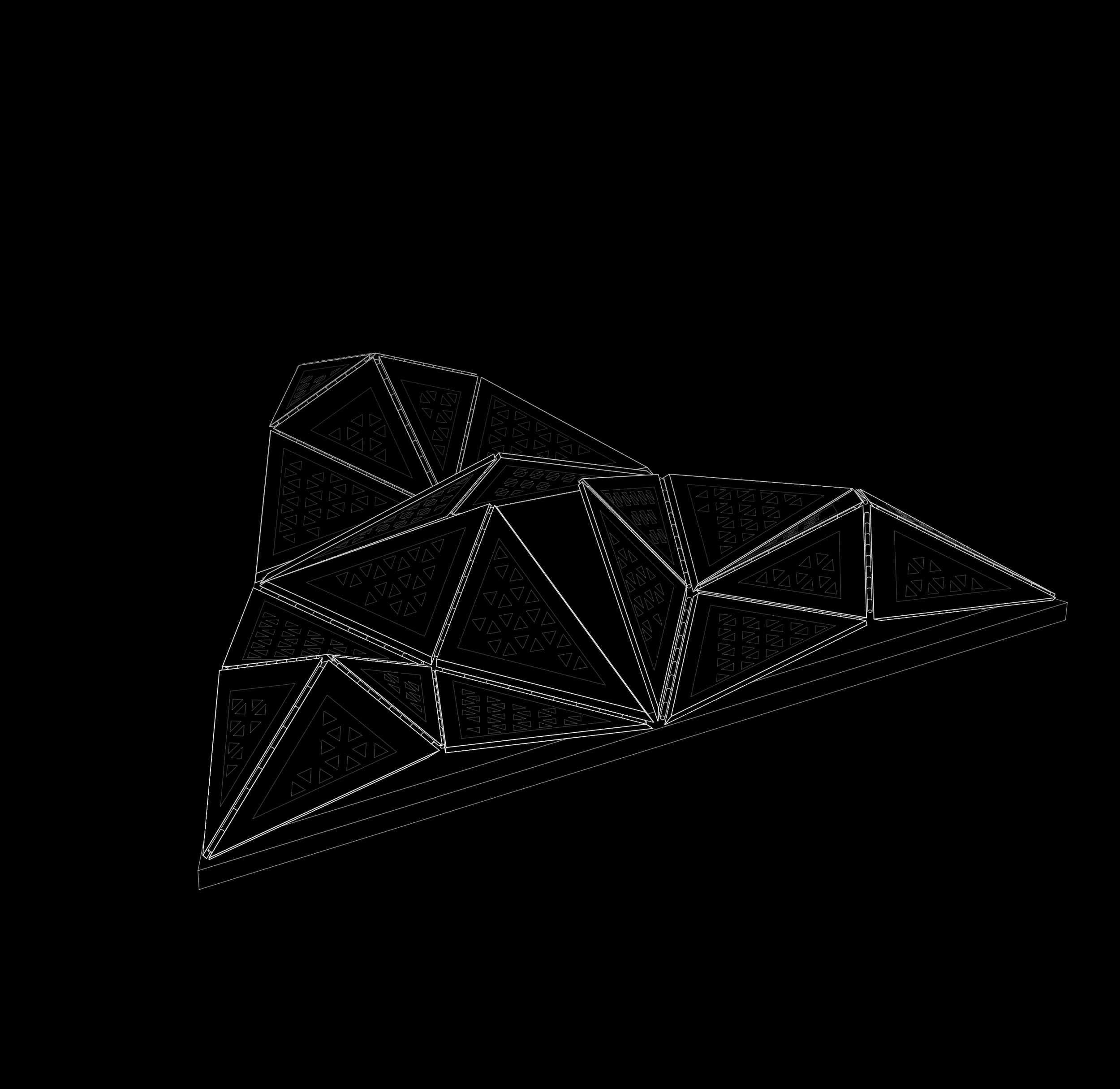
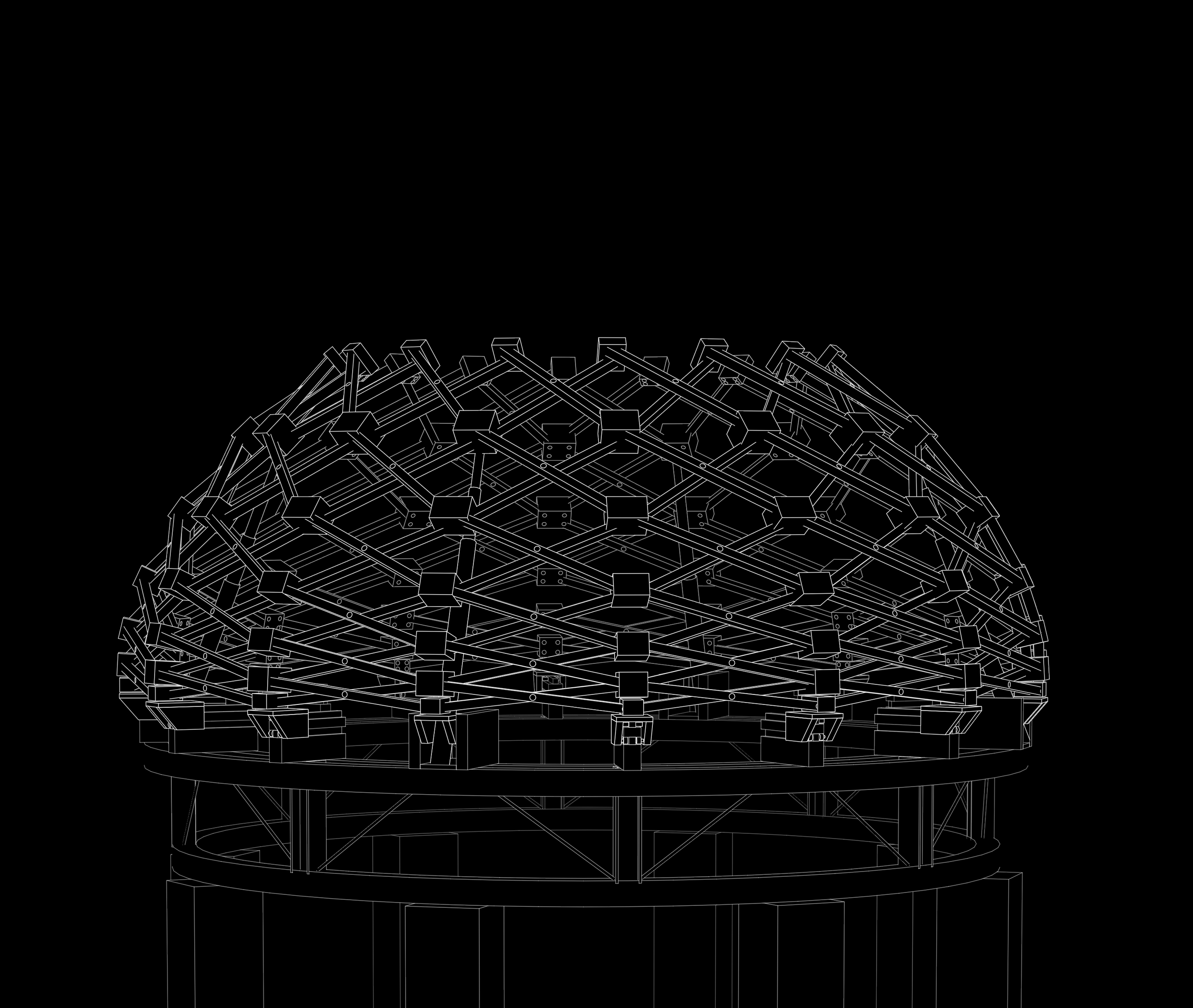
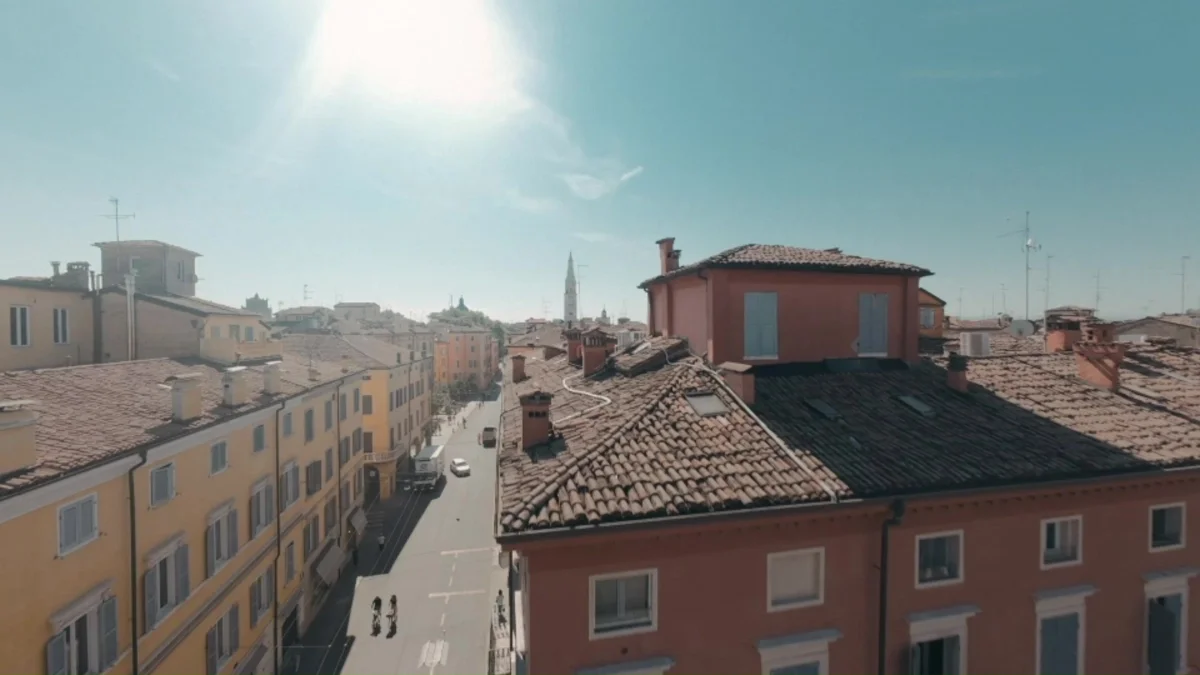
Origami Retractable Roof
Modena, Italy (2022-ongoing)
-
![]()
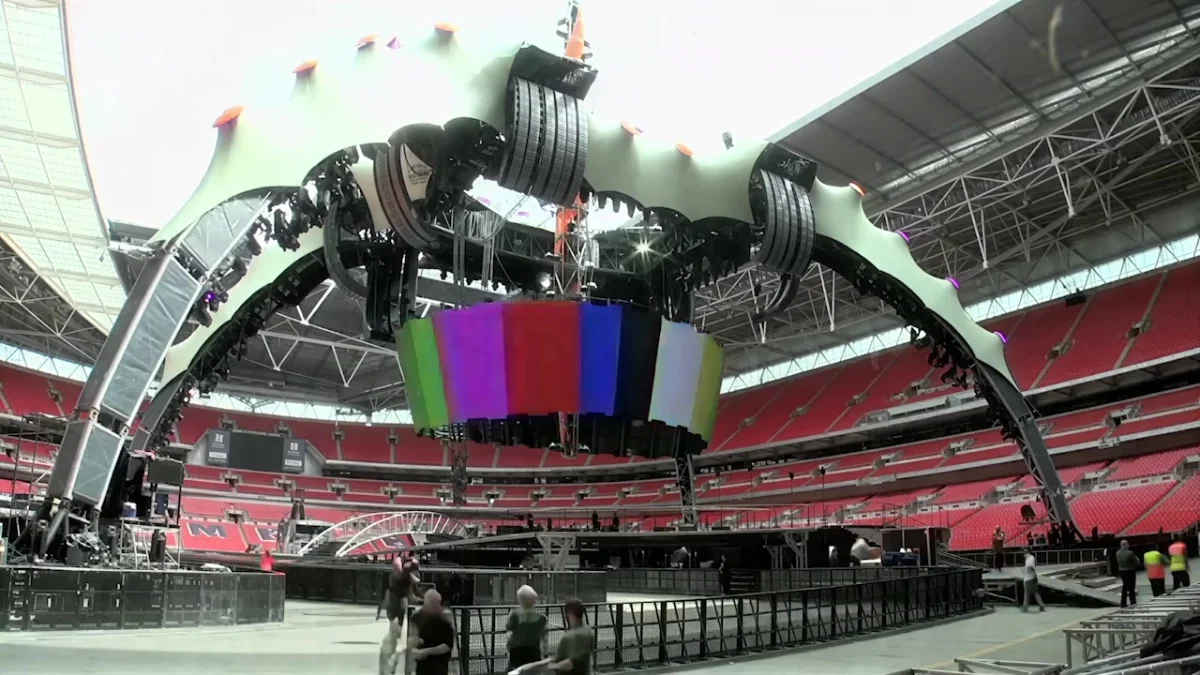
U2 Expanding Video Screen
Multiple venues (2009)
-
![]()
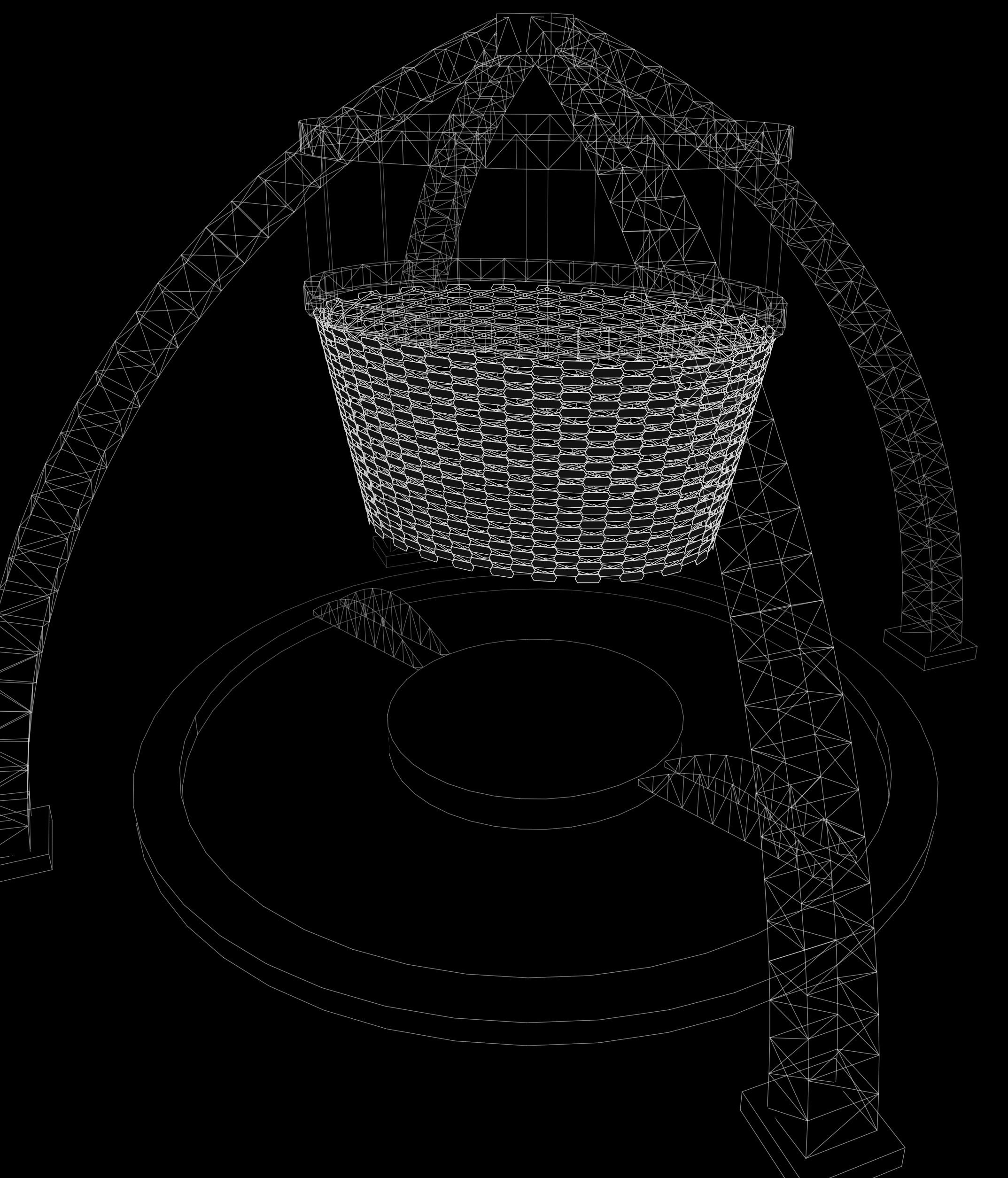
Olympic Arch
Salt Lake City, UT, USA (2002)
-
![]()
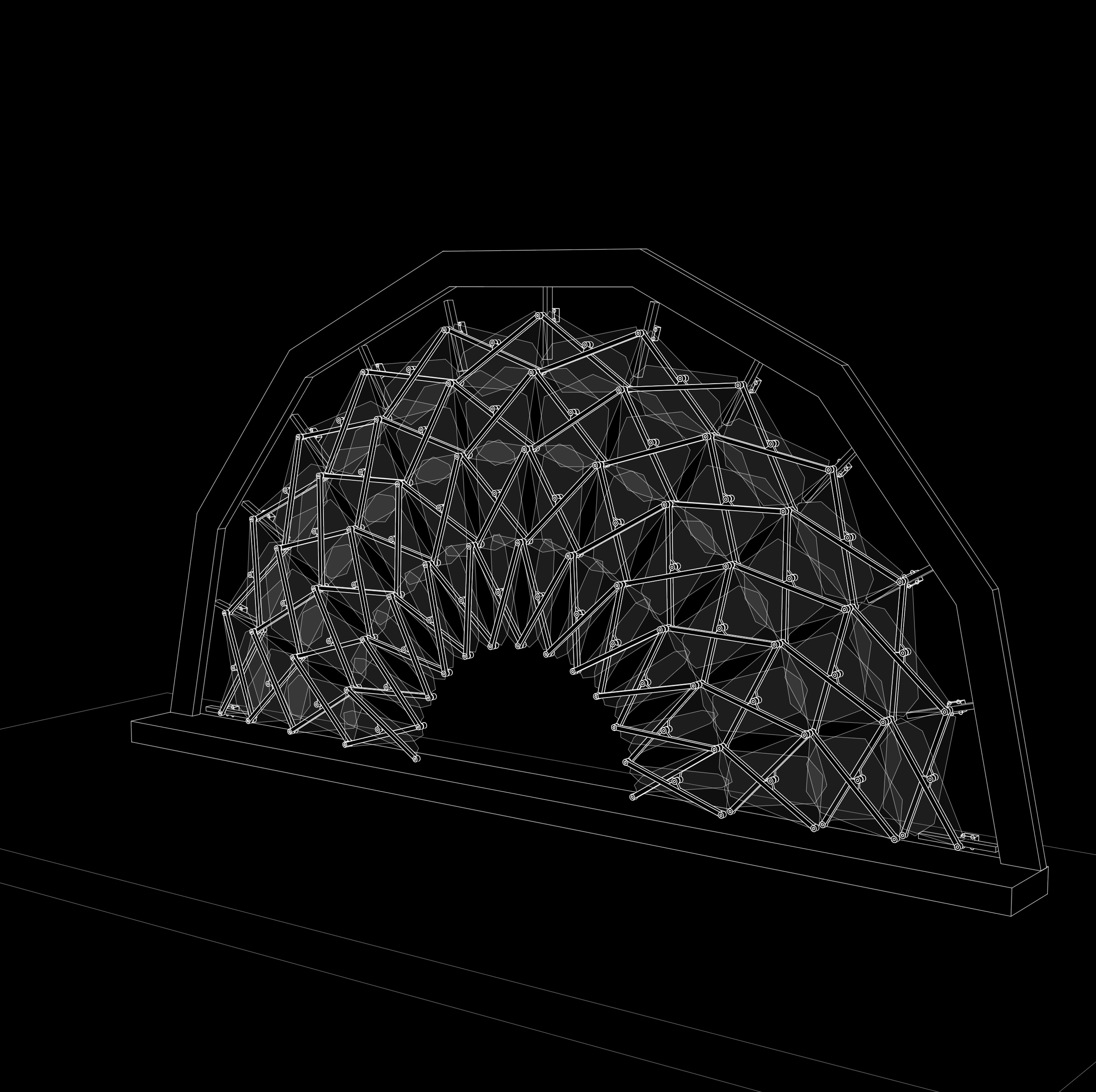
Iris Pavilion
World’s Fair, Hanover, Germany (2000)
-
![]()
Switch Pitch Toy
(2001)